

IHA Telephony Private Limited

Freedom Offer: Get 3 Extra Free Months on All 12-Months Calling Plans – Domestic & Global!
We’re Exhibiting at Convergence India Expo 2026

Author name: The Telephony Co.

digital arrest scam

Digital Arrest: A New Wave of Cybercrime

In recent years, cybercriminals have developed increasingly sophisticated ways to exploit technology and human psychology. One of the latest and most alarming scams emerging in several countries, including India, is known as Digital Arrest. This new form of cybercrime combines fear, impersonation, and technology to manipulate victims into handing over their money and personal information. Understanding how digital arrest scams work is essential for individuals and businesses to protect themselves in the digital world. What Is Digital Arrest? Digital Arrest is a cyber fraud tactic where scammers pretend to be government officials, law enforcement officers, or investigation agencies and falsely claim that the victim is involved in illegal activities. They threaten the victim with immediate arrest unless certain instructions are followed. Instead of physically detaining someone, the scammers force the victim to stay connected on a phone call or video call, often for hours, creating a situation similar to being “digitally detained.” During this time, they pressure the victim to transfer money, share sensitive information, or follow instructions under fear. How Digital Arrest Scams Work Cybercriminals usually follow a well-planned process to trap their victims. 1. Initial Contact The victim receives a call from someone claiming to represent: Police departments Cybercrime units Tax authorities Telecom regulators Courier companies The caller may even spoof official phone numbers to appear legitimate. 2. False Accusation The scammer accuses the victim of serious crimes such as: Money laundering Drug trafficking Illegal SIM cards Suspicious bank transactions Identity theft cases These accusations are designed to create panic and confusion. 3. Digital Detention The victim is instructed to remain on a continuous video call or phone call and is told not to contact anyone else. Scammers claim this is part of an “official investigation.” Sometimes they even show: Fake police ID cards Fake arrest warrants Fake court documents 4. Financial Extraction Once the victim is frightened enough, scammers demand: Security deposits Investigation fees Temporary fund verification Cryptocurrency transfers Victims are told the money will be returned after verification—but it never is. Why Digital Arrest Scams Are So Effective Several psychological tactics make these scams highly effective. Fear and Authority Scammers impersonate authorities such as police or government officials, making victims feel legally obligated to comply. Urgency Victims are told that immediate action is required to avoid arrest or legal consequences. Isolation By keeping victims on a continuous call, scammers prevent them from consulting family members or verifying the information. Technology Manipulation Fraudsters use tools like caller ID spoofing, fake documents, and video calls to make their claims appear authentic. Who Is Most at Risk? Digital arrest scams can target anyone, but criminals often focus on: Professionals and business owners Senior citizens Students studying abroad Individuals unfamiliar with cybercrime tactics Since these scams rely heavily on fear and confusion, even highly educated individuals have fallen victim. Warning Signs of a Digital Arrest Scam There are several red flags that indicate a possible digital arrest fraud: Authorities demanding money over the phone Being asked to stay on a video call for investigation Threats of immediate arrest without proper legal procedure Requests to transfer money to personal accounts or cryptocurrency wallets Pressure to keep the call confidential Real law enforcement agencies do not conduct investigations this way. How to Protect Yourself Preventing digital arrest scams requires awareness and quick action. Verify the Caller If someone claims to be from a government agency, hang up and contact the official department directly using verified numbers. Never Transfer Money Under Pressure Legitimate authorities do not ask for payments to avoid arrest. Do Not Share Personal Information Avoid sharing bank details, OTPs, identity documents, or passwords. End Suspicious Calls If a caller insists you stay connected for long periods, disconnect immediately. Inform Family Members Discuss such scams with family members, especially elderly relatives. What to Do If You Become a Victim If you suspect you have been targeted or scammed: Immediately inform your bank to block transactions. Report the incident to the national cybercrime reporting portal. File a complaint with your local police station. Save call recordings, numbers, and transaction details as evidence. Quick reporting increases the chances of recovering funds and catching the criminals. The Growing Need for Cyber Awareness Digital arrest scams highlight how cybercriminals are evolving their tactics to exploit fear and authority. As more services move online and digital communication becomes the norm, individuals must stay informed about emerging threats. Awareness is the first and most powerful defense against cybercrime. By understanding how digital arrest scams operate, people can avoid becoming victims and help create a safer digital environment for everyone. Note: If you become a victim of a digital arrest scam or any cyber fraud, take immediate action. Call the national cybercrime helpline 1930 and report the incident as soon as possible. You can also file an online complaint through the official cybercrime portal https://cybercrime.gov.in/

Digital Arrest: A New Wave of Cybercrime Read More »

TRAI New Rules

Spam Calls and Fraud Messages: Major Action by Telecom Regulatory Authority of India

Spam calls and fraudulent messages have become one of the biggest problems for mobile users across India. From fake KYC updates and banking alerts to UPI scams and lottery messages, millions of people receive suspicious calls and SMS every day. To tackle this growing issue, the Telecom Regulatory Authority of India (TRAI) has introduced strict new measures aimed at identifying and stopping fraudulent communication faster than ever before. With more than a billion mobile users in the country, the telecom regulator is now pushing telecom operators to use advanced technologies such as AI and secure telecom platforms to detect and block suspicious numbers before they can harm consumers. TRAI New Rules Under the new regulatory approach, telecom operators are expected to take stronger action against spam and fraud calls. The goal is to prevent scammers from misusing telecom networks for activities such as banking fraud, KYC scams, and fake customer service calls. According to the new guidelines from the Telecom Regulatory Authority of India (TRAI), if any phone number appears to be involved in suspicious or fraudulent activity, telecom operators must act quickly. Any number that is flagged for possible fraud will not be ignored or allowed to continue operating without investigation. The regulator is focusing on improving monitoring systems so that fraudsters cannot easily exploit telecom infrastructure to target users. AI-Detected Suspicious Calls Must Be Shared Within 2 Hours One of the most important steps introduced in the new rule is the use of Artificial Intelligence by telecom operators to detect suspicious calling patterns. If the AI system of any telecom operator identifies a number as suspicious, that information must be shared with other telecom operators within two hours. This ensures that fraudsters cannot simply switch networks to continue their activities. This entire data-sharing process will be handled through the secure telecom framework known as the Distributed Ledger Technology (DLT) Platform. The platform helps maintain transparency and security, ensuring that communication records remain protected and cannot be manipulated. Telecom operators have been given 30 days to implement the necessary technical solutions and ensure that their systems comply with the new requirements. Both Call Operator and Receiver Operator Are Responsible Another major change introduced under the new rule is shared responsibility between telecom operators. Previously, the responsibility for fraud calls was often considered to lie primarily with the operator from whose network the call originated. However, under the updated framework, both telecom operators will be accountable: The operator from whose network the call is made The operator whose network receives the call Fraud detection will be carried out at the Caller Line Identification (CLI) level, allowing authorities and telecom providers to trace suspicious calls more accurately. This step is expected to make it easier to identify scammers who attempt to hide their identity by masking or manipulating caller IDs. More Complaints Can Lead to Permanent Blocking Another strict rule focuses on consumer complaints. If a particular phone number receives five or more complaints within 10 days, the number may be permanently blocked by telecom operators. This action is intended to stop repeat offenders from continuing fraudulent activities. Most complaints related to suspicious numbers are connected to scams such as: Fake banking or KYC verification calls Fraudulent UPI payment requests Online shopping scams Fake loan or investment offers By blocking numbers that repeatedly receive complaints, telecom operators can prevent future victims and reduce the spread of telecom-based fraud. Impact on Mobile Users India has more than 1 billion mobile users, making it one of the largest telecom markets in the world. Unfortunately, this also makes the country a major target for cybercriminals and phone-based scammers. Many users frequently receive spam calls and SMS messages related to financial fraud, fake customer support, or phishing attempts. These calls not only disturb users but can also lead to serious financial losses. If the new regulations introduced by the Telecom Regulatory Authority of India are implemented effectively, they could significantly improve the situation. Mobile users may experience: Fewer spam calls and fraudulent messages Faster identification of scam numbers Better protection against financial fraud A more reliable telecom experience Ultimately, these measures aim to create a safer digital communication environment where consumers can trust the calls and messages they receive. Conclusion Spam calls and fraudulent messages have long been a serious concern for mobile users across India. With the latest regulatory action from the Telecom Regulatory Authority of India, telecom operators are now being pushed to adopt smarter monitoring systems, faster data sharing, and stricter enforcement against suspicious numbers. The combination of AI-based fraud detection, inter-operator collaboration, DLT-based transparency, and strict complaint thresholds could play a major role in reducing telecom fraud in the country. If these rules are implemented effectively, millions of mobile users may finally get relief from the constant disturbance and risk posed by spam and scam communications.

Spam Calls and Fraud Messages: Major Action by Telecom Regulatory Authority of India Read More »

Features of Sanchar Saathi App

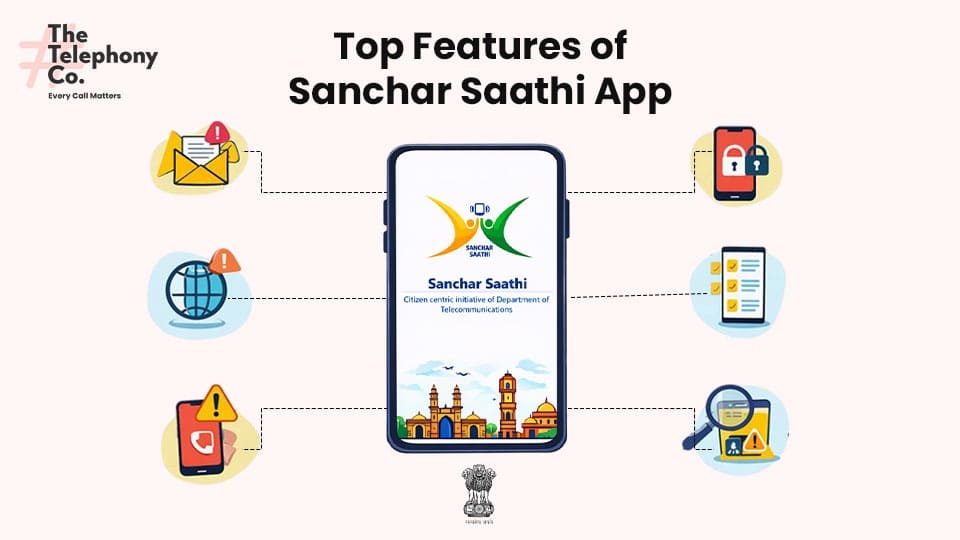
Top Features of Sanchar Saathi App Every Mobile User Should Know

Mobile phones have become an important part of our daily lives. We use them for communication, banking, social media, and many other activities. However, with increasing mobile usage, fraud calls, scam messages, and phone theft cases are also rising. To help users stay safe, the Government of India introduced the Sanchar Saathi app. This platform allows people to protect their mobile numbers, report fraud, and track important information related to their phone usage. What is the Sanchar Saathi App? Sanchar Saathi is a digital service launched by the Department of Telecommunications (DOT) to improve telecom security for mobile users. The platform helps people report suspicious activities, block lost phones, and verify mobile connections linked to their identity. Its main goal is to reduce telecom fraud and make mobile usage safer for everyone. What You Can Do With Sanchar Saathi The Sanchar Saathi platform provides several useful services that help users stay informed and protected. People can check mobile numbers issued in their name, report fraud calls, block stolen phones, and even report suspicious international calls. The system is designed to be simple so that any mobile user can access these safety features easily. Top Features of Sanchar Saathi App Reporting Fraud Calls and Messages One of the most useful features of the Sanchar Saathi app is the ability to report fraud calls and scam messages. If users receive suspicious calls asking for bank details, OTPs, or personal information, they can quickly report them through the platform. This helps authorities track scammers and protect other mobile users from similar fraud attempts. Block Your Lost or Stolen Phone If your phone is lost or stolen, the Sanchar Saathi app allows you to block the device easily. Once the phone is blocked, it cannot be used on telecom networks in India. This reduces the chances of misuse, protects your data, and increases the possibility of recovering the device later through proper verification. Check How Many Mobile Numbers Are Linked to Your Name Many people do not know how many SIM cards are registered using their identity. With the help of the Sanchar Saathi app, users can quickly check all mobile numbers issued under their name. If any unknown number appears in the list, it can be reported immediately to prevent misuse or fraud activities. Check if Someone Is Using a Stolen Phone The Sanchar Saathi platform also helps users verify whether a mobile device might be stolen or illegally used. Before buying a second-hand phone, users can check the device information through the system. This helps people avoid purchasing stolen smartphones and supports efforts to reduce mobile theft in the country. Report Fraud International Calls International call scams have increased in recent years. Fraudsters sometimes use unknown international numbers to trick people into sharing personal or financial information. Through the Sanchar Saathi app, users can report such suspicious international calls. This helps telecom authorities monitor scam patterns and take action against fraudulent networks. Conclusion The Sanchar Saathi app is an important step toward improving mobile security in India. With features like fraud reporting, phone blocking, SIM verification, and scam call reporting, it helps users stay aware and protected. As digital communication continues to grow, using tools like this can make a big difference in preventing telecom fraud and ensuring safer mobile usage for everyone.  

Top Features of Sanchar Saathi App Every Mobile User Should Know Read More »